The sumo show with hot pot
A two-hour evening in a restaurant built around a sumo ring: retired wrestlers demonstrate, a best-of-three bout is fought, and an all-you-can-eat meal with chanko-nabe runs through the show.
Asakusa · Tokyo
Retired wrestlers show the rituals and fight a best-of-three match while you eat chanko-nabe, the stew they train on.
Tables around the ring are limited, so pick your date early.

The short answer
For most first-time visitors who like the idea of eating chanko-nabe within arm's reach of a clay ring, yes. Retired professional wrestlers demonstrate their morning exercises and classic techniques, a moderator explains the rules in English and Japanese, and a best-of-three bout is fought while an all-you-can-eat meal is served. The ring is a real dohyō, the wrestlers are real, and the stew is the one wrestlers eat to train. What is not real is the stakes. The listing itself calls this a fun, family-friendly show, different from a serious morning practice tour. Take it as a lively dinner with a sport at the centre and it earns its price; arrive hoping for a tournament and it will not.
Five things to know first
Life in a sumo stable
A wrestler's whole week is built inside a heya, a stable. These six pieces of that life, as the English Wikipedia describes them, explain why a meal of chanko-nabe sits at the centre of a sumo evening. They are background on the sport, not this show's running order.
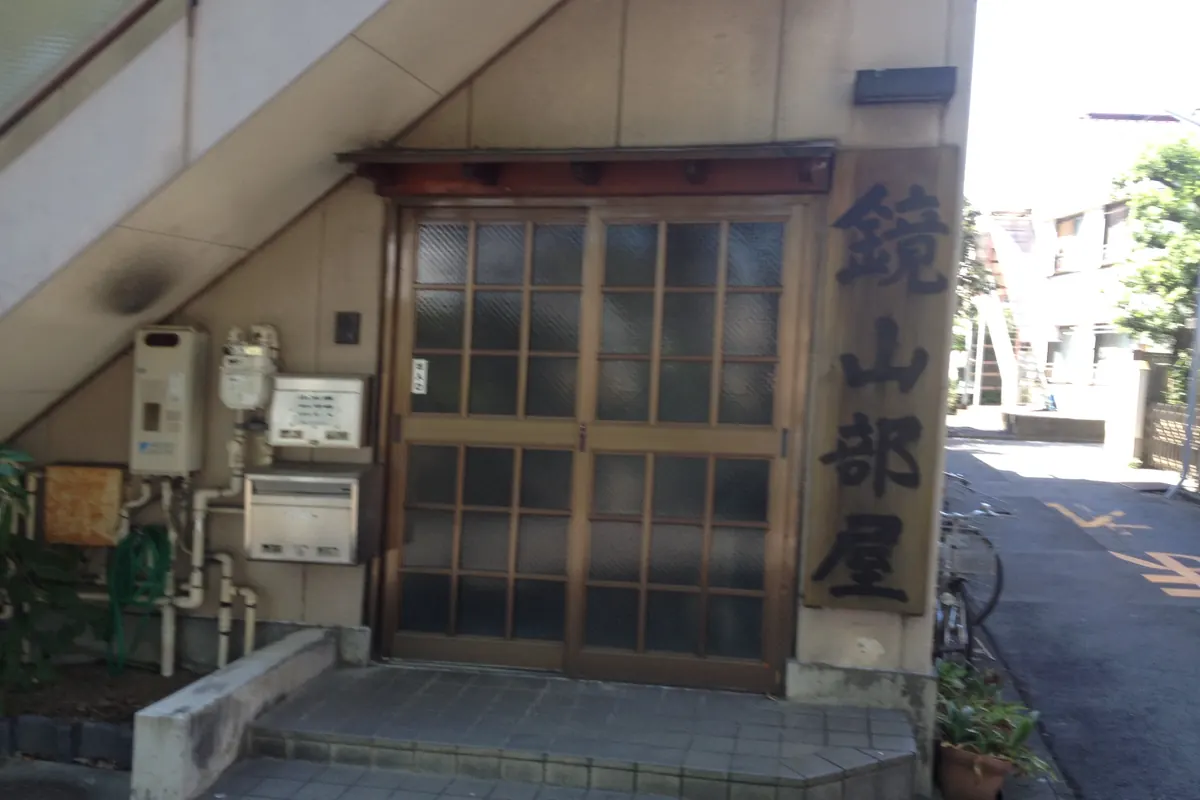
The house
A professional wrestler has to belong to a heya, the stable where he lives, eats, trains and sleeps with an elder in charge. Wikipedia's words for the life are quasi-monastic and militaristic. A stable takes its name from the elder share its head coach owns, so a change of master often means a change of name.
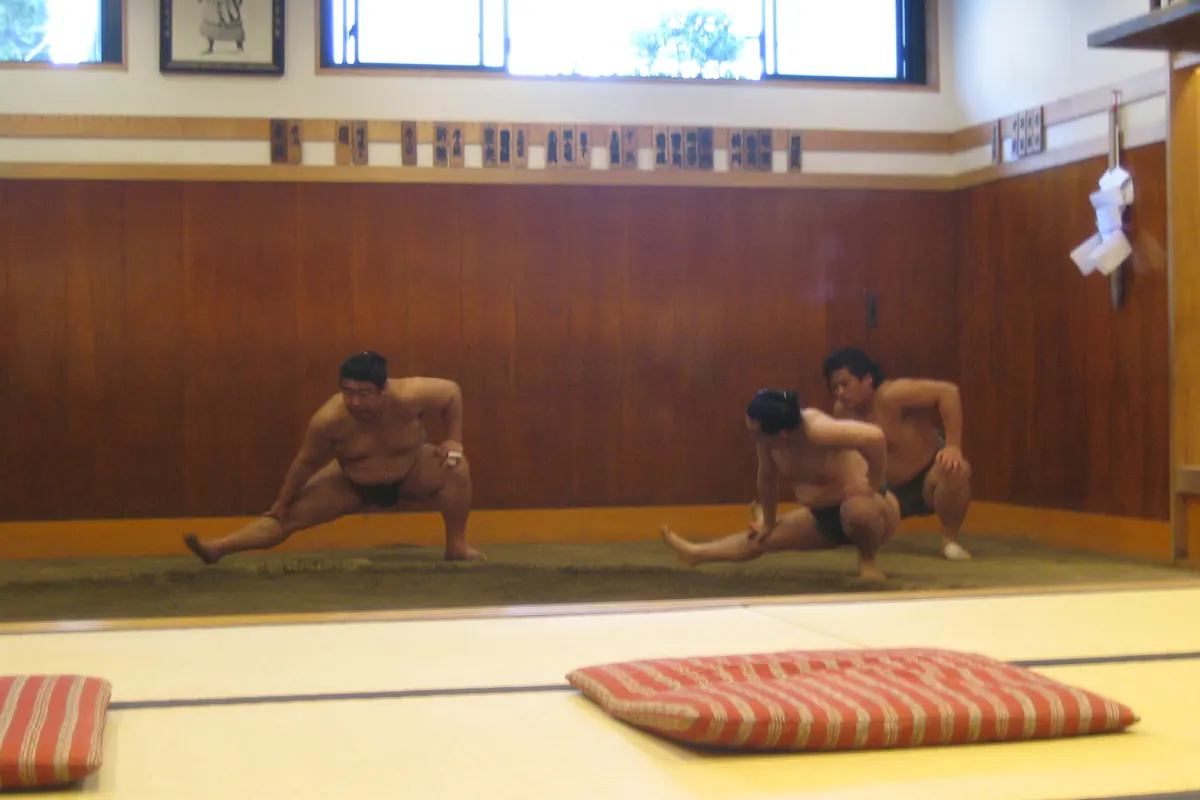
First light
The youngest wrestlers are up with the dawn for chores and warm-up stretches, and they train before they have eaten; the salaried men turn up last. Wikipedia notes that no morning is skipped.
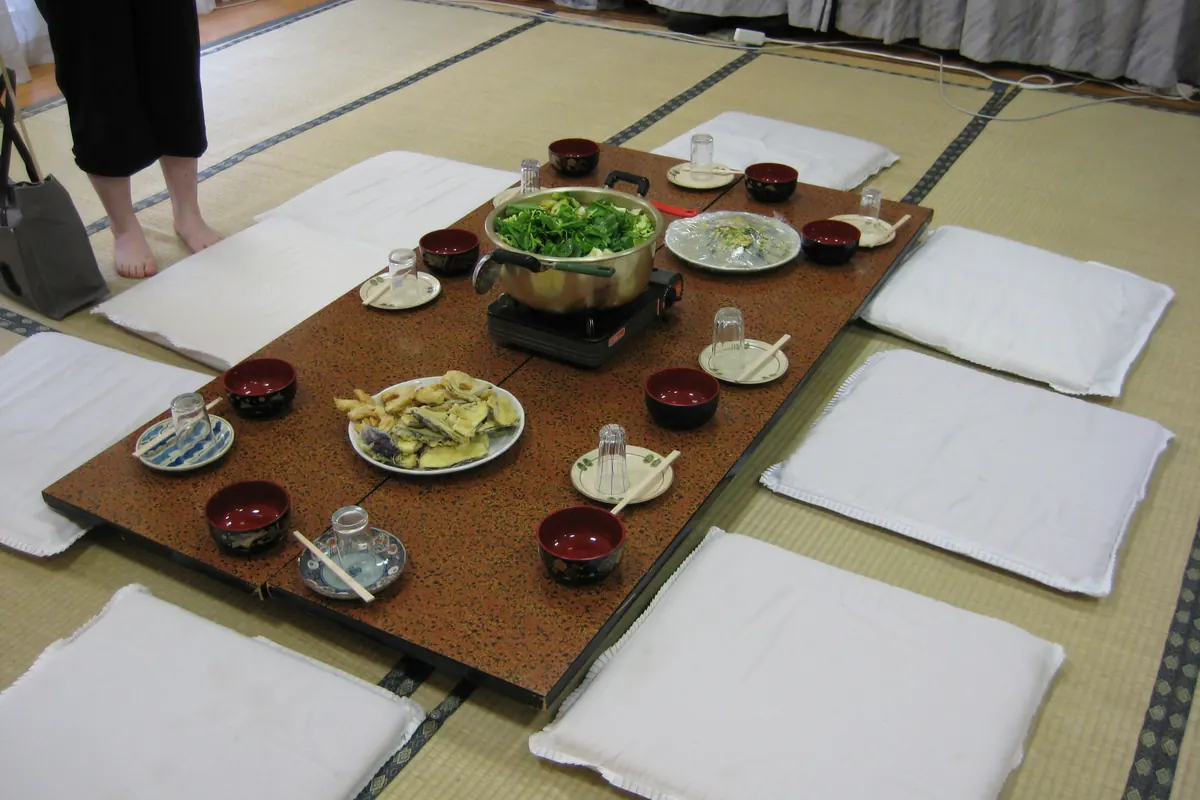
The pot
After practice comes the stew, traditionally the first meal of the day, then a nap. The pattern of no breakfast, a large lunch and sleep is meant to help wrestlers put on weight. There is no fixed recipe: a dashi or chicken broth, protein such as chicken, tofu or fish balls, and vegetables like daikon and bok choy. Seniors and stable guests serve themselves first.
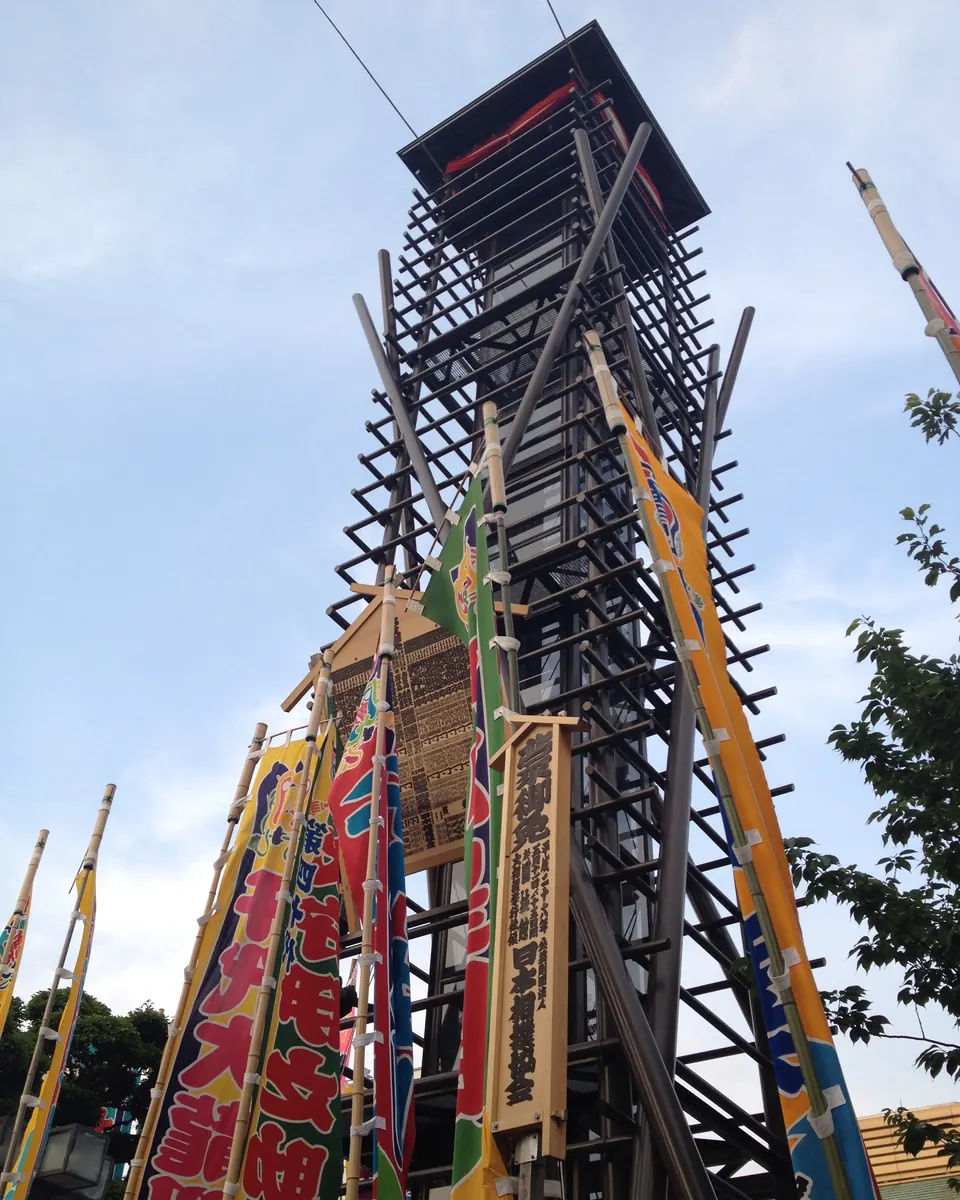
Pecking order
Professional sumo has six divisions. Wrestlers in the top two, jūryō and makuuchi, are sekitori: salaried, given at least one attendant, entitled to a private room and first use of the bath. Everyone below shares a dormitory and does the housework. A banzuke publishes the ranking before each tournament.
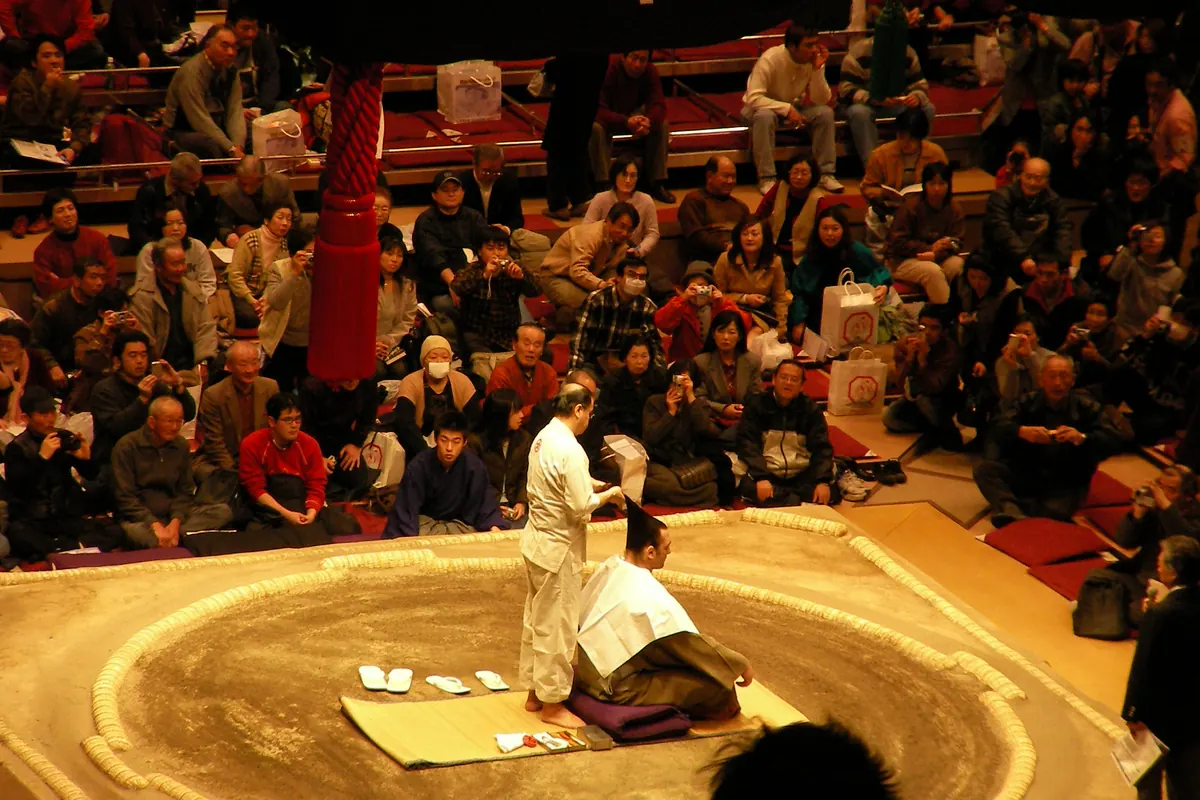
The topknot
Wrestlers are expected to grow their hair long and form a topknot, the chonmage, a samurai-style hairstyle. Those in jūryō and makuuchi wear a more elaborate version, the ōichōmage. Because the style is so bound up with the sport, cutting it marks the end of a career.
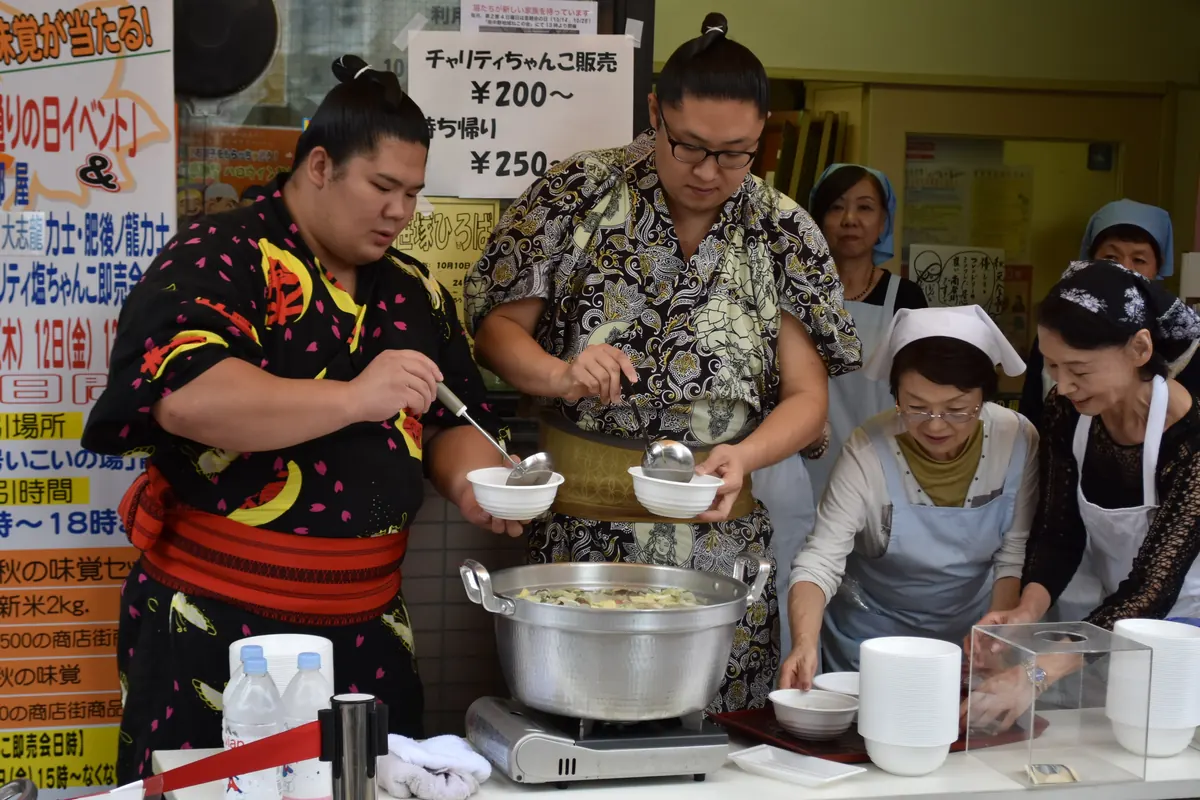
After the last bout
A career closes with the topknot being cut in a ceremony called danpatsu-shiki. Guests each snip a few strands, and traditionally the retiring wrestler's master cuts the last ones. Holding it at the Ryōgoku Kokugikan takes at least thirty tournaments as a sekitori. Wikipedia adds that most retirees leave the association, and that the majority find work in chankonabe restaurants.
Sources: the English Wikipedia articles on heya, chankonabe, rikishi, sumo, danpatsu-shiki and the Ryōgoku Kokugikan. Nothing here describes what a given show will contain.
Show or tournament
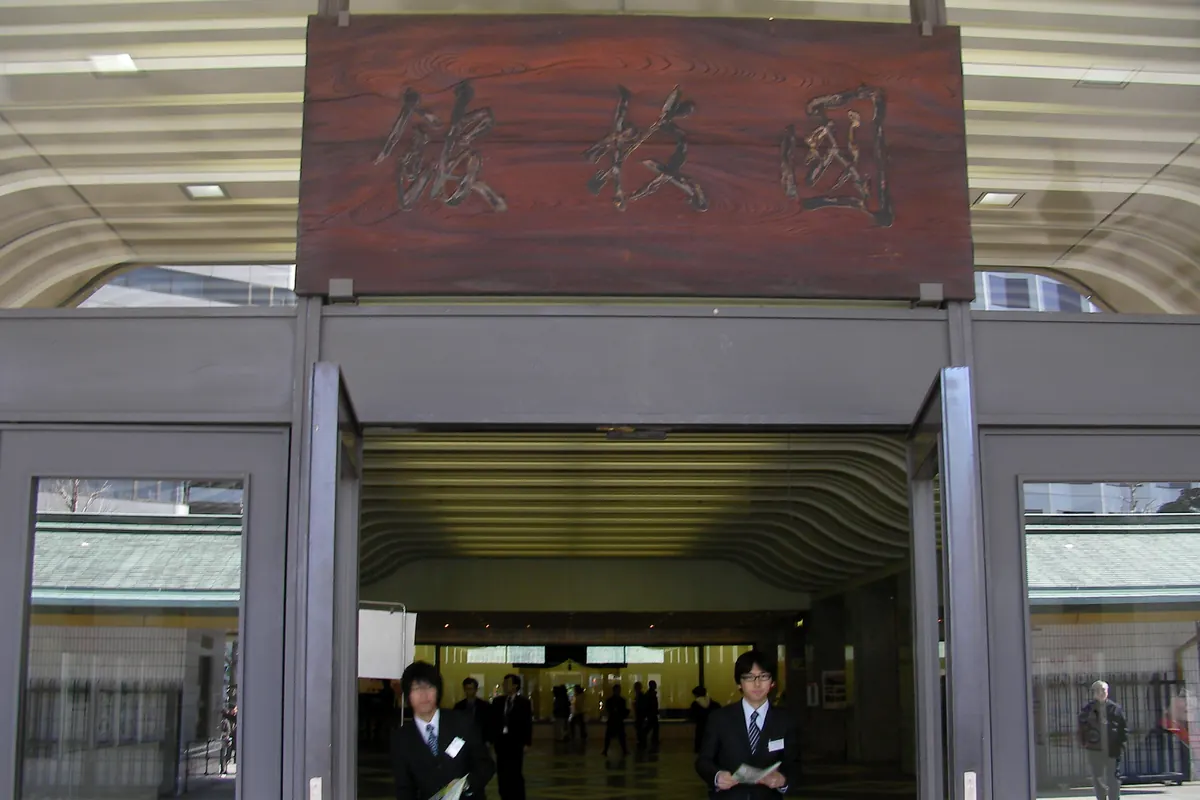
Seats and the ticket
Everything below is as the listing states it. Your confirmation adds the exact room and the meeting point.
Hot pot or sushi


Book the show, then fill the rest of your Tokyo day
The sumo meal comes first. Beside it sit the sushi class this page weighs it against, a fish-market walk and a long day out toward Mount Fuji, each a separate booking with its own calendar.
A two-hour evening in a restaurant built around a sumo ring: retired wrestlers demonstrate, a best-of-three bout is fought, and an all-you-can-eat meal with chanko-nabe runs through the show.
A beginner nigiri class of about an hour and a half, with tuna and salmon, a sushi chef to guide you and a happi coat to wear. This page sets it against the sumo meal.
A two-hour guided walk through the Tsukiji outer market and past the Hongwanji temple. Food bought from the stalls along the way is paid for separately.
A long day out of Tokyo around the Fuji lakes and the springs of Oshino Hakkai. The view of the mountain depends on the weather and cannot be promised.
More to book in Tokyo
Around Asakusa
Pictures of stable life, a tournament hall and the streets around Sensō-ji. None of them was taken at this show, in its room or of its wrestlers.


Getting there and planning the night
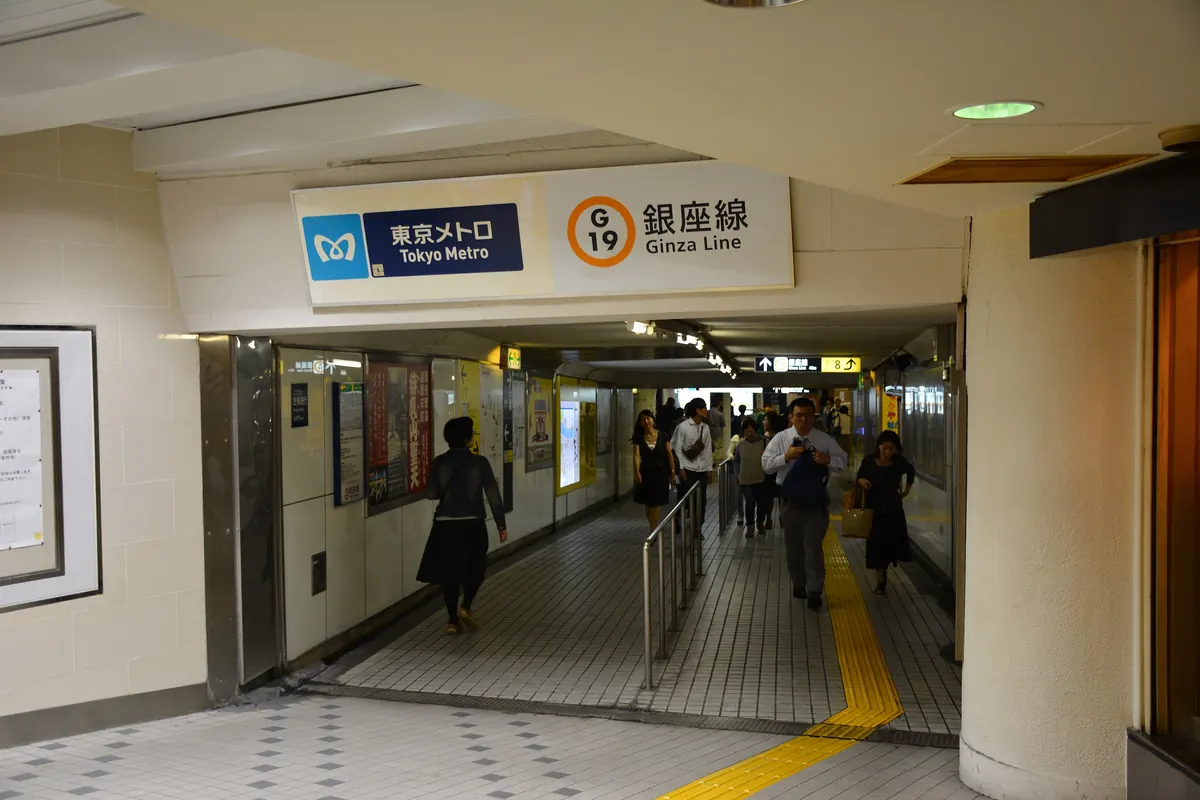
Wikipedia has Asakusa Station as the far eastern stop of the Tokyo Metro Ginza Line, shared with trains of the Toei Asakusa Line and the Tobu Skytree Line. The booking page and your confirmation give the exact meeting point, which may vary with the seat type you choose, so follow that rather than the station name alone.
Choose between the main room and the annex for standard seats, or step up to VIP or VVIP for a closer view. The listing recommends VIP for the nearest experience of the ring.
The meal is part of the ticket, so skip a dinner beforehand. Vegetarian and vegan guests should ask at least two days before the show.
With only a few challenger places, and a lottery when applicants outnumber them, a ring turn is a bonus rather than a reason to book.
Adults and children are both welcome, since the listing describes the show as family-friendly; infants under twelve months should stay home.
The listing marks the show as wheelchair accessible but says seating for wheelchairs is limited. Tell the booking page at the time you reserve.
Sensō-ji, the Kaminarimon gate with its giant lantern and the Nakamise approach are all in the same district, so a sumo night pairs naturally with an afternoon among them.
Anyone wanting a quiet, serious look at wrestlers training should look at the other sumo experiences on offer in Tokyo; this show is built to entertain a room.
Read these before you book
FAQ
Yes for most first-timers who want a lively dinner with sumo at its centre: former wrestlers demonstrate and fight a three-round bout while you eat as much chanko-nabe as you like. The ring, the wrestlers and the stew are genuine; the stakes are not, since this is an entertainment show.
No. By its own description the show is fun and family-friendly, and it differs from the serious morning practice sessions offered elsewhere. The real tournaments in Tokyo are fought at the Ryōgoku Kokugikan, in January, May and September, as Wikipedia has it.
The listing says the three-round bout is fought by former professional sumo wrestlers, who also demonstrate exercises and techniques and brief guests on what is allowed in the sport.
A challenge to a wrestler is open to guests, with a few places at each show and a lottery to choose among applicants. Think of it as a bonus.
The listing says a traditional Japanese dance performed by geisha opens the evening. The listing gives no further detail, and none is promised here.
A meal with chanko-nabe that you can keep going back for, one drink on the house and others to buy. Vegetarian and vegan plates need asking for at least two days beforehand, while gluten-free and halal cannot be arranged.
Standard seats come in two places, the main room and an annex next door, and VIP front-row and VVIP central seats sit closer to the ring. The listing says both standard rooms get the same show, and it points to VIP for the nearest view.
The listing calls the show family-friendly for adults and children, but infants under twelve months should not attend. Seating for wheelchairs is limited, so flag it when you book.
Yes: when you book through GetYourGuide the listing allows cancellation without charge until 24 hours before the start, and it also offers a reserve-now, pay-later route.
No. Asakusa Sumo Guide is an independent publication with no tie to the club, the wrestlers or the firm that runs the show. GetYourGuide handles any booking started from a link on these pages.